
Discover key steps before reserving a new-build apartment in London. Ensure a smart investment with our practical guide.
Property, First-Time Buyers, London New Builds
Buying a new-build apartment in London can feel reassuringly neat: fresh paint, modern layouts, and no chain to worry about. But it is still a major financial commitment, and the process works differently to buying an older property. This calm, practical guide walks you through the key checks to make before you pay a reservation fee or sign anything.
Custom HTML/CSS/JAVASCRIPT
With new builds, you will usually pay a reservation fee first, then an exchange deposit later. The reservation fee is often £500–£2,000 and is usually deductible from the purchase price, but it can be non-refundable if you pull out. Ask the sales team to put in writing:
At exchange of contracts, you will normally pay a 10% deposit. This can be higher for investors or if the lender requires it. Make sure your mortgage broker confirms you have enough funds for:
The Government’s Help to Buy equity loan has closed to new applicants, so first-time buyers now look to alternatives. Common options include:
💡 Calm tip: Before reserving, ask a whole-of-market mortgage adviser to show you how different schemes change your monthly payments and long‑term costs, not just your deposit.
Many London new builds are sold off-plan, meaning you commit before the building is finished. The key dates to understand are:
Your mortgage offer will only be valid for a limited time, often six months. If construction overruns, you may need to reapply. Ask your broker:
Near completion, you will usually be invited to a snagging inspection to identify minor defects. It is worth taking a calm, methodical approach here: run taps, open windows, check sockets, and photograph anything that concerns you. Confirm in writing how and when snags will be addressed after you move in.
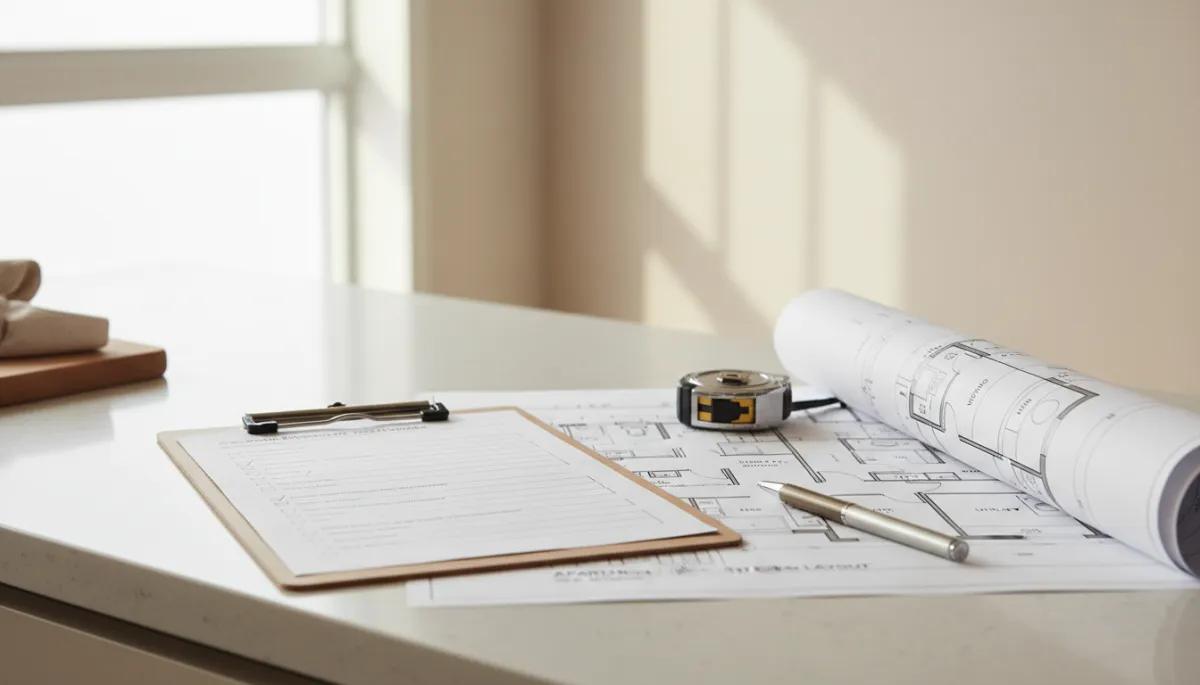
A simple written checklist keeps off-plan timelines and snagging calmly under control.
Most London flats, especially in new developments, are sold as leasehold. This means you own the right to live in the property for a set number of years, but not the land or building structure. Important points to check include:
Some developments offer a share of freehold, where leaseholders collectively own the building’s freehold, often through a company. This can give residents more control over management and costs, but it also brings responsibilities. Ask your solicitor to explain:
Service charges cover the upkeep of communal areas: lifts, hallways, gardens, concierge, gyms and so on. In London new builds, these can be significant, especially where there are many amenities. Before reserving, ask for:
It is sensible to stress-test your budget. Add the service charge and ground rent to your proposed mortgage payment, then consider council tax and utilities. Ask yourself calmly: would this still feel manageable if interest rates rose, or your circumstances changed?
💡 Calm tip: Compare service charges with similar developments nearby. Very low charges can be a warning sign if they do not realistically cover long‑term maintenance.
The quality of your home and how issues are handled after completion depend heavily on the developer. Before reserving, take time to research them calmly and independently.
It can also help to speak to existing residents in another completed phase or development by the same builder. A short, polite conversation in the lobby can give you a realistic sense of build quality and after‑sales support.
Reserving a new-build apartment in London is not something you need to rush, even if the marketing feels urgent. Before you hand over a reservation fee, pause and check that you understand:
With these pieces in place, you can move forward steadily, ask clear questions, and decide whether this particular new-build truly fits your budget, your risk comfort, and the way you want to live in London over the coming years.
* Information and prices are correct as of the date of posting.